
Wellness has never looked better. Soft-lit morning routines, green juices, cold plunges, and curated calm fill every feed. It sells a glowing, frictionless version of caring for yourself, and most of the time it is lovely to look at.
There is just one group it quietly skips: the people in genuine, lasting pain. For them, self-care is not a candle and a face mask. In the US, and around New Jersey in particular, support such as Core Medical & Wellness goes where a wellness routine cannot. This piece is about that gap.
Does Wellness Culture Overlook Real Pain?
Largely, yes, because pain does not photograph well. Wellness imagery is built on glow and ease, while chronic pain is invisible, stubborn, and rarely aesthetic.
The result is a quiet pressure. When self-care is sold as smoothies and stretching, anyone whose body genuinely hurts can feel they are simply doing wellness wrong. That is not a personal failing, it is a gap in the marketing.
Real bodies do not always cooperate. Roughly 1 in 5 adults lives with chronic pain, which means a large slice of any wellness audience is managing something the imagery never shows. The glow-up narrative leaves them out.
That omission matters because it shapes expectations. Treating a serious, ongoing condition as something a 10-minute routine should fix sets people up to feel like failures. It can also delay real help, as people keep trying gentler fixes long past the point they stop working. Honesty about pain is its own kind of self-care.
How Does Pain Shape the Way You Show Up?
More than most people realize, and rarely visibly. Persistent pain quietly edits how you dress, move, socialize, and present yourself to the world.
It changes energy first. When part of your attention is always on an ache, there is less left for the polished, put-together version of yourself that wellness culture celebrates. The morning routine the feeds make look effortless can take everything you have. Some days, just showing up is the win, and that deserves to count.
It reshapes the small choices too. Comfort starts to outrank trends, and dressing for comfort becomes less of a style decision and more of a daily necessity. That is not giving up on style, it is adapting it.
Confidence takes a hit as well. Pain can make you withdraw, cancel plans, and feel disconnected from the version of yourself you used to be. Naming that openly is far healthier than pretending everything is effortless.
What Does Self-Care Look Like With Chronic Pain?
Less aesthetic, more practical, and genuinely effective. Real self-care for pain is about function and kindness, not appearances. These habits do the heavy lifting:
- Gentle movement. Light, regular activity usually eases stiffness more than rest.
- Relaxation practice. Calming the nervous system can genuinely turn down pain signals.
- Protected sleep. Pain and poor sleep feed each other, so guard your nights.
- Honest pacing. Spreading effort out beats pushing hard then crashing.
- Accepting help. Letting others step in is strength, not weakness.
These are the unglamorous core of looking after a body in pain. Evidence-backed relaxation techniques and gentle yoga both have real support behind them, not just aesthetic appeal. The point is what works, not what looks good on camera.
Even the little rituals wellness loves have a place, as long as they sit alongside the real work rather than replacing it. Comfort and care are not the enemy of style.
When Does Self-Care Need to Become Real Care?
When a routine is clearly not enough. There is a line where wellness habits stop being the answer and a professional should step in. The table below marks it.
|
Sign |
Why It Matters |
|---|---|
|
Pain lasting beyond 3 months |
This is the threshold for chronic pain |
|
Pain that disrupts sleep |
Lost rest worsens both pain and mood |
|
Routines no longer helping |
When self-care plateaus, the cause needs a look |
|
Low mood or withdrawal |
The emotional side may need its own support |
|
Pain limiting daily life |
If it shapes your whole day, it needs a plan |
Any of these is a cue to seek proper assessment rather than another wellness hack. There is no shame in it; it is simply the next, more serious layer of self-care. A glow-up cannot fix what a specialist is trained to treat.
Real Self-Care, Cut to the Essentials
- Wellness culture often skips the people living in real, lasting pain.
- Chronic pain quietly reshapes energy, confidence, and self-presentation.
- Real self-care for pain is practical, not purely aesthetic.
- Movement, relaxation, sleep, and pacing genuinely help.
- Persistent pain that limits life calls for professional care.
Care That Goes Deeper Than the Glow
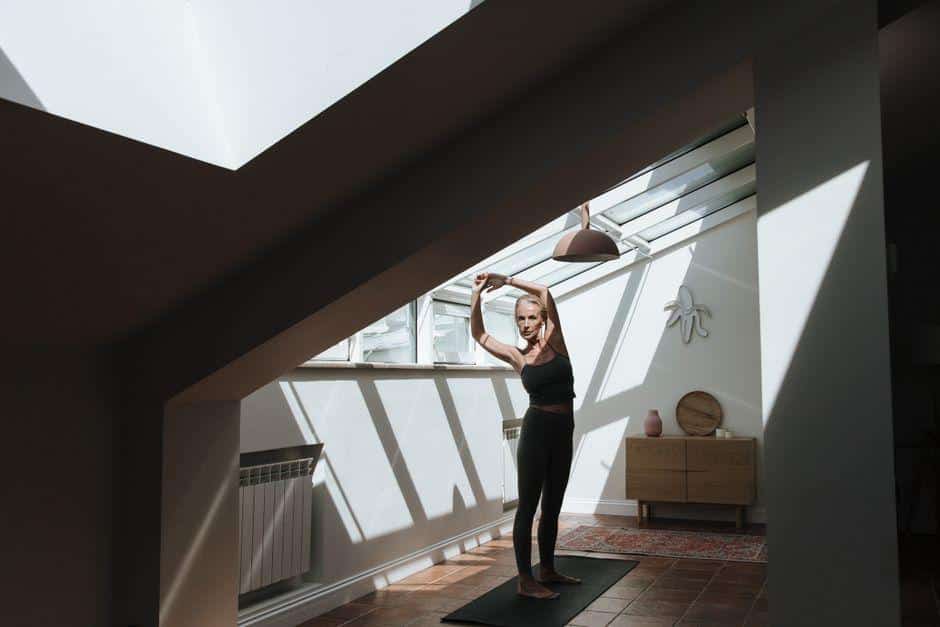
There is nothing wrong with the candles and the nice routines; they are a pleasant part of looking after yourself. The trouble is treating them as the whole story.
For anyone living with real pain, self-care has to include the unglamorous, evidence-based work, and sometimes the decision to get real help. The glow is nice, but feeling better is the point. That, more than any aesthetic, is what caring for yourself actually looks like.
Frequently Asked Questions
Is Self-Care Enough to Manage Chronic Pain?
Self-care habits like movement, relaxation, and good sleep genuinely help, but they are rarely enough on their own for chronic pain. They work best alongside professional care. If a routine stops making a difference, that is a sign to seek a proper assessment.
Why Does Wellness Culture Ignore Chronic Pain?
Because its imagery is built on glow, ease, and quick transformation, none of which fit an invisible, stubborn condition. That leaves people in real pain feeling overlooked. Honest conversations about pain are a useful corrective.
Can Relaxation Techniques Really Reduce Pain?
Yes, to a meaningful degree. Calming the nervous system can lower how intensely pain is felt, which is why relaxation and mind-body practices are recommended alongside other care. They are a complement to treatment, not a replacement.
When Should I Stop Relying On Self-Care for Pain?
When pain lasts beyond three months, disrupts your sleep, lowers your mood, or no longer responds to your usual habits. Those are signals the cause needs professional attention. Self-care still helps, but as part of a bigger plan.